
CURRENT PROJECT: FAIR SENTENCING FOR SURVIVORS OF DOMESTIC VIOLENCE AND COERCION
 Survivors’ Justice Project: Listening to Survivors
Missouri Appleseed is proud to share the first report from our Survivors’ Justice Project, an initiative that centers the voices and experiences of criminalized survivors of domestic violence. Through story banking, we gathered firsthand accounts to better understand how trauma, coercion, and survival can shape the choices that ultimately lead to incarceration.
The stories reveal a complex connection between abuse and incarceration. Survivors described coercion, substance use as a coping mechanism, and crime as a means of survival. Many also shared experiences of having their abuse overlooked by the systems meant to protect them, or not recognizing their own experiences as abuse.
Now, we’re bringing those stories to life. Our new video series highlights the voices of women whose incarceration is connected to the abuse they experienced. In the first video, Sarah shares her story and offers a glimpse into the themes explored in our Story Banking Report, including substance use, coercion, and betrayal by systems.
Watch > Sarah’s story

For survivors of abuse, safety and survival are literal. Their stories remind us that understanding the context of survival is essential to understanding the choices that follow.
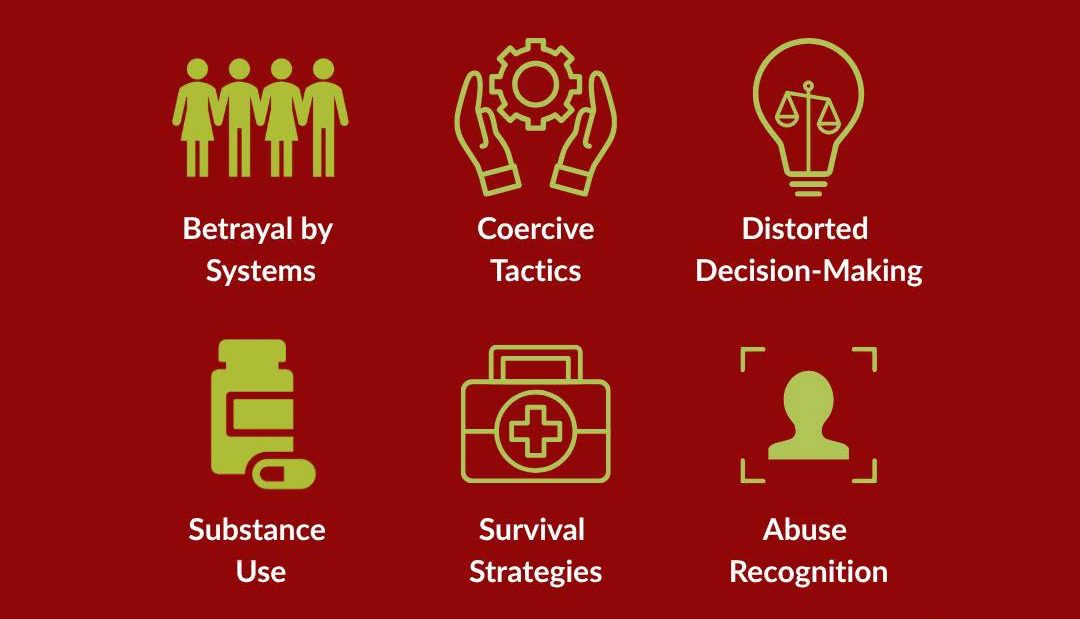 What We Heard: Recurring themes in criminalized survivors’ experiences in Missouri
Learn more and download report >Survivors’ Justice Project Storybanking Report
TEAM SPOTLIGHT: WELCOME MICHELE BILDNER
Advancing change through research
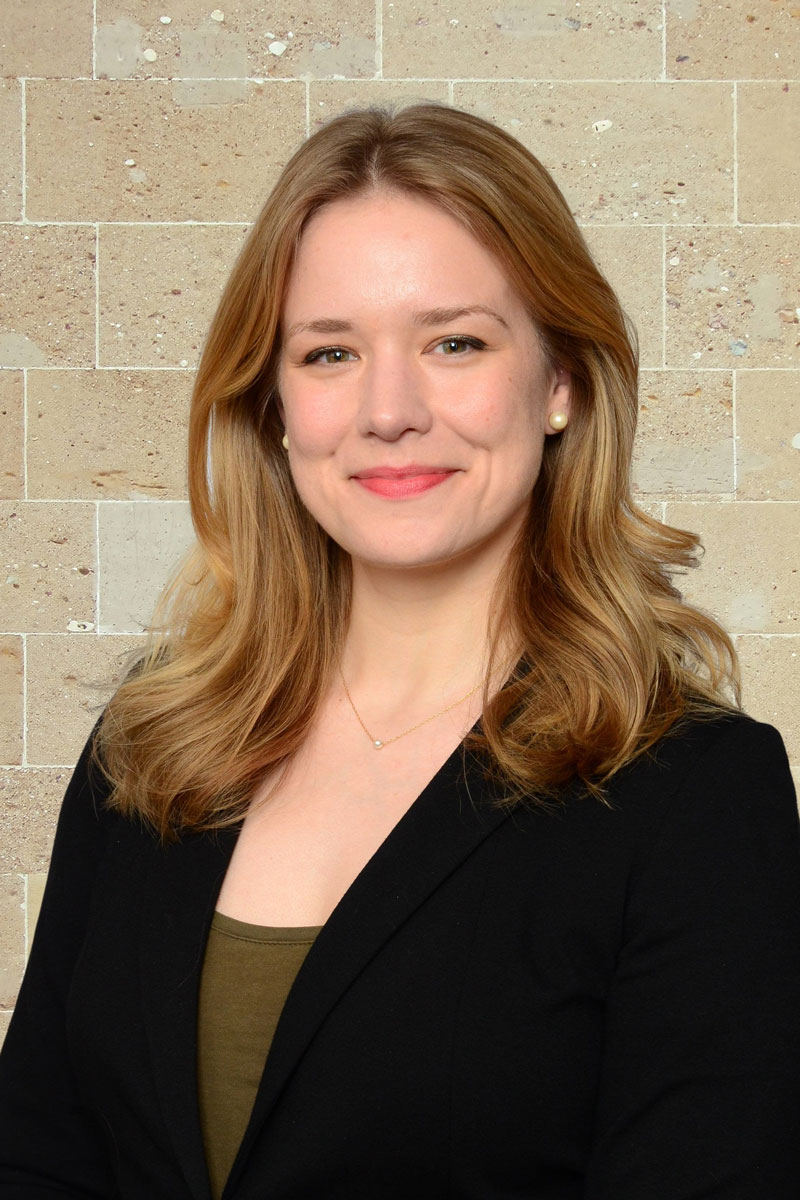
Please join us in welcoming Michele Bildner, DrPH, MPH,Missouri Appleseed’s new Director of Research. A native Missourian, Michele brings more than a decade of experience advancing public health policy, systems, and environmental change at the national, state, and local levels. She received her BS from Fontbonne University, an MPH from the University of Tennessee, and a DrPH in Leadership from the University of Illinois Chicago. Before joining Missouri Appleseed, Michele served as a tenure-track assistant professor, managed national implementation and evaluation initiatives for the CDC Foundation, and led strategic community health assessment and planning initiatives across the St. Louis region with multi-sector partners.
EDUCATION SPOTLIGHT: GRASSROOTS ADVOCACY
Back to School: From the Classroom to the Capitol
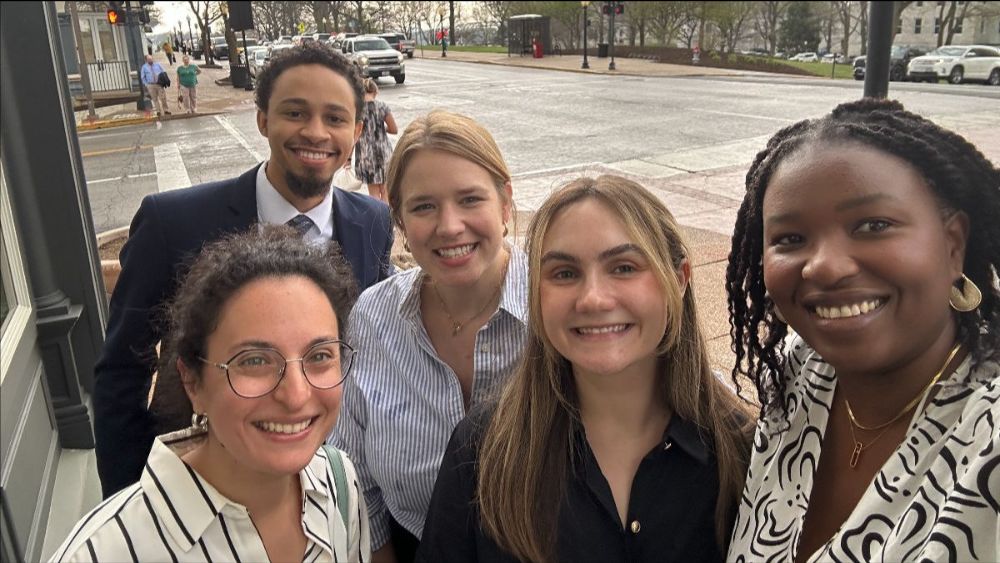
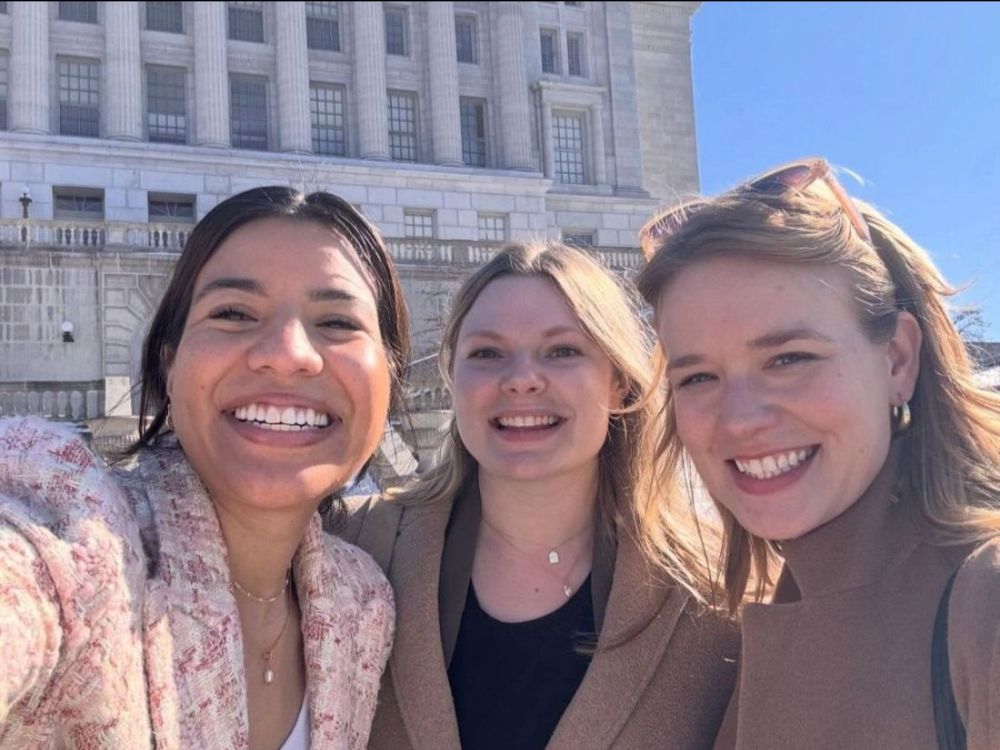
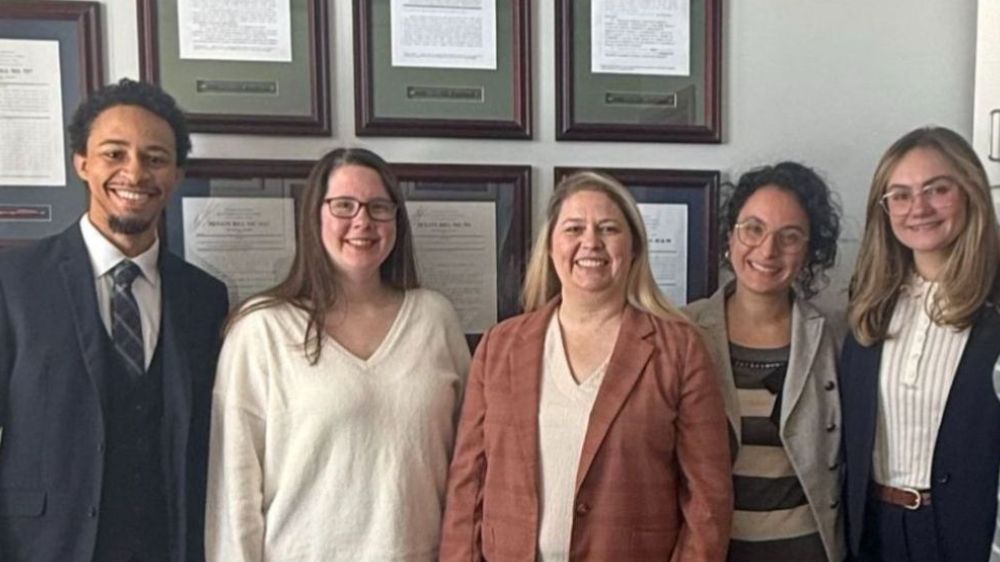
As students head back to school, Missouri Appleseed is proud to continue our collaboration with Saint Louis University School of Law through the Center for Health Law Studies Grassroots Advocacy Class. Taught in two parts, the course gives students hands-on experience engaging communities, gathering stories, educating the public, and advocating for policy change.
In the fall, students learn about public health and nonprofit law, research Missouri Appleseed’s current legislative and educational priorities, and hear from a variety of policy experts working across the state. In the spring, they take their advocacy to the Missouri State Capitol in Jefferson City, meeting with lawmakers, attending hearings, and preparing witnesses to testify on issues affecting Missouri families.
Through this partnership, students gain practical advocacy experience while helping advance change at the intersection of public health, criminal justice, and child welfare.
 IMPACT: RESEARCH SUPPORTS MISSOURI’S “PINK TAX” REPEAL
For several years, Missouri Appleseed advocated for eliminating the state sales tax on feminine hygiene products and diapers. In 2025, Governor Kehoe signed the measure into law, helping make essential goods more affordable for low-income women and families and marking an important step toward greater access and economic dignity.
New research from Texas Tech University reinforces the impact of this policy. The study finds that sales tax exemptions on feminine hygiene products can increase affordability and help reduce period poverty.
Read > The Pass-Through of Sales Tax Exemptions: Evidence from Menstrual Hygiene Products — Shahnaz Huseynova, July 2026
 CURRENT PROJECT: ENROLLING MISSOURI JAIL POPULATIONS IN MEDICAID
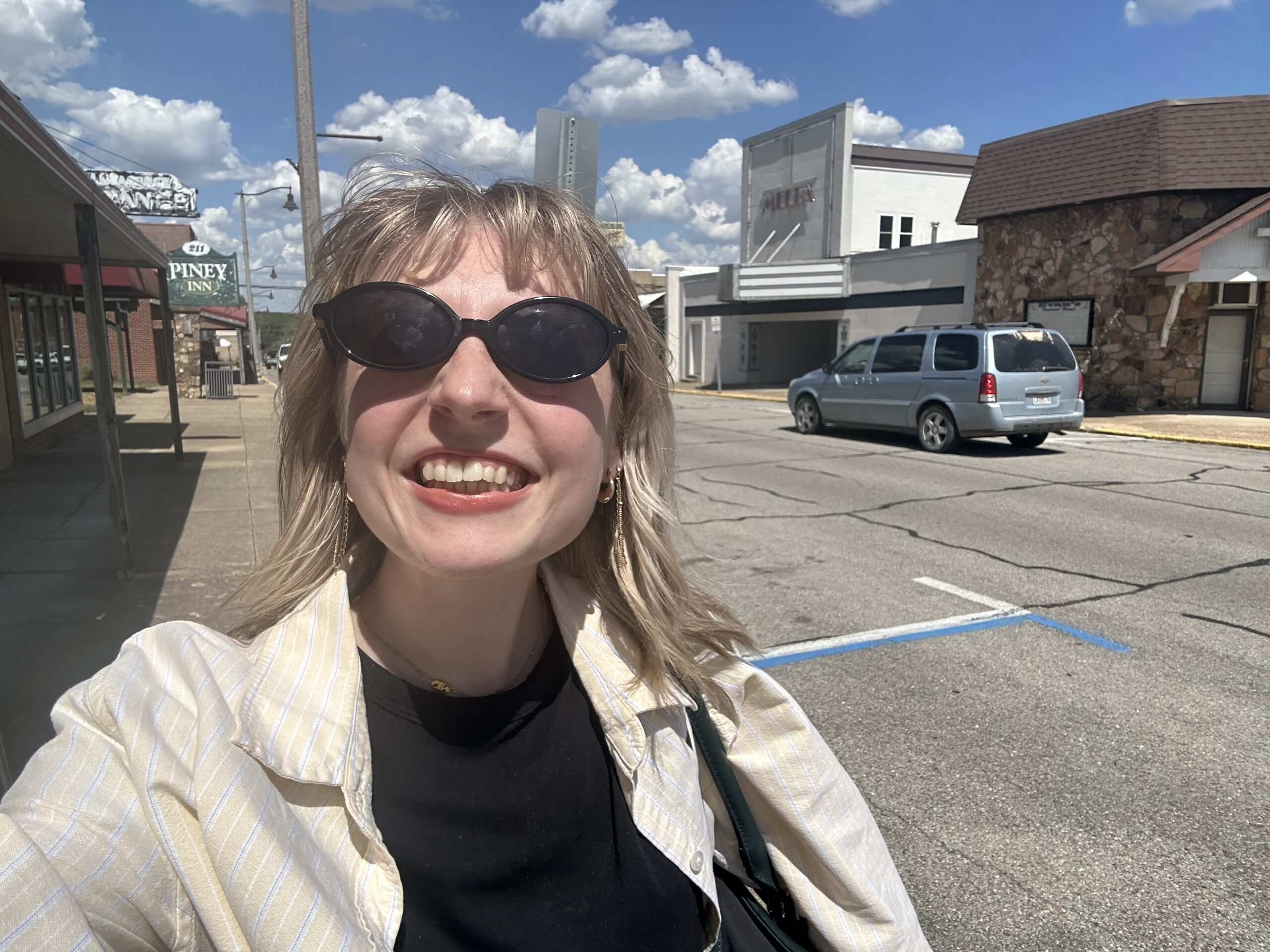 Katie’s Travels: Taking Medicaid in Jails on the Road
Our new Medicaid Program Manager, Katie Quinn, recently hit the road to connect with partners across southern Missouri. Her travels took her through Douglas, Howell, Greene, Texas, and Wright counties, where she met with jail leaders and community partners working to expand Medicaid access for people before they leave jail.
And yes, there was plenty of sweet tea, local food, and Missouri scenery along the way!
Read > Katie’s Travels: Southern Missouri
RESEARCH: MENTAL HEALTH NEEDS IN MISSOURI JAILS
A new article from The Marshall Project delves into the long wait times for competency evaluations in Missouri and the toll those delays can take on people with serious mental health needs. The story offers a troubling look at an overwhelmed system where vulnerable jail residents can deteriorate while waiting months or even years for evaluation and treatment.
Read > Nowhere Else to Go: One Man’s Perilous Journey in Jail to Understand Charges Against Him by Jesse Bogan

The Clay County jail in Liberty, Mo. Jesse Bogan/The Marshall Project
“It frustrates me to no end when we’re trying to get these individuals into a facility – a bed to get medically engaged so they can have their day in court.”
— Clay County Sheriff Will Akin
The challenges highlighted in the article echo findings from Missouri Appleseed’s research with the Missouri Sheriffs’ Association and the Missouri Association of Counties. Our survey of county sheriffs and jail administrators found that nearly all jails hold people awaiting Department of Mental Health assessments or transfers, with average wait times ranging from 18 months to nearly three years. Forty-two percent of jail leaders said that three-quarters of their residents face mental health challenges.
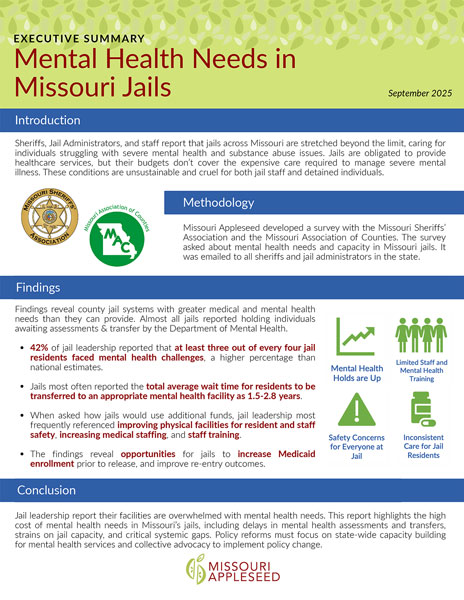 Together, these findings underscore the urgent need for greater investment, resources, and policy solutions to address mental health needs in Missouri jails.
Learn more and download reports > Missouri Appleseed’s Mental Health Needs in Jails Research